SPONSORED BY NIWAA note from the woman who makes it
I talked a customer out of buying my balm
She asked which scent to start with. I told her the honest answer was neither, and then she asked me a question I have not stopped thinking about.
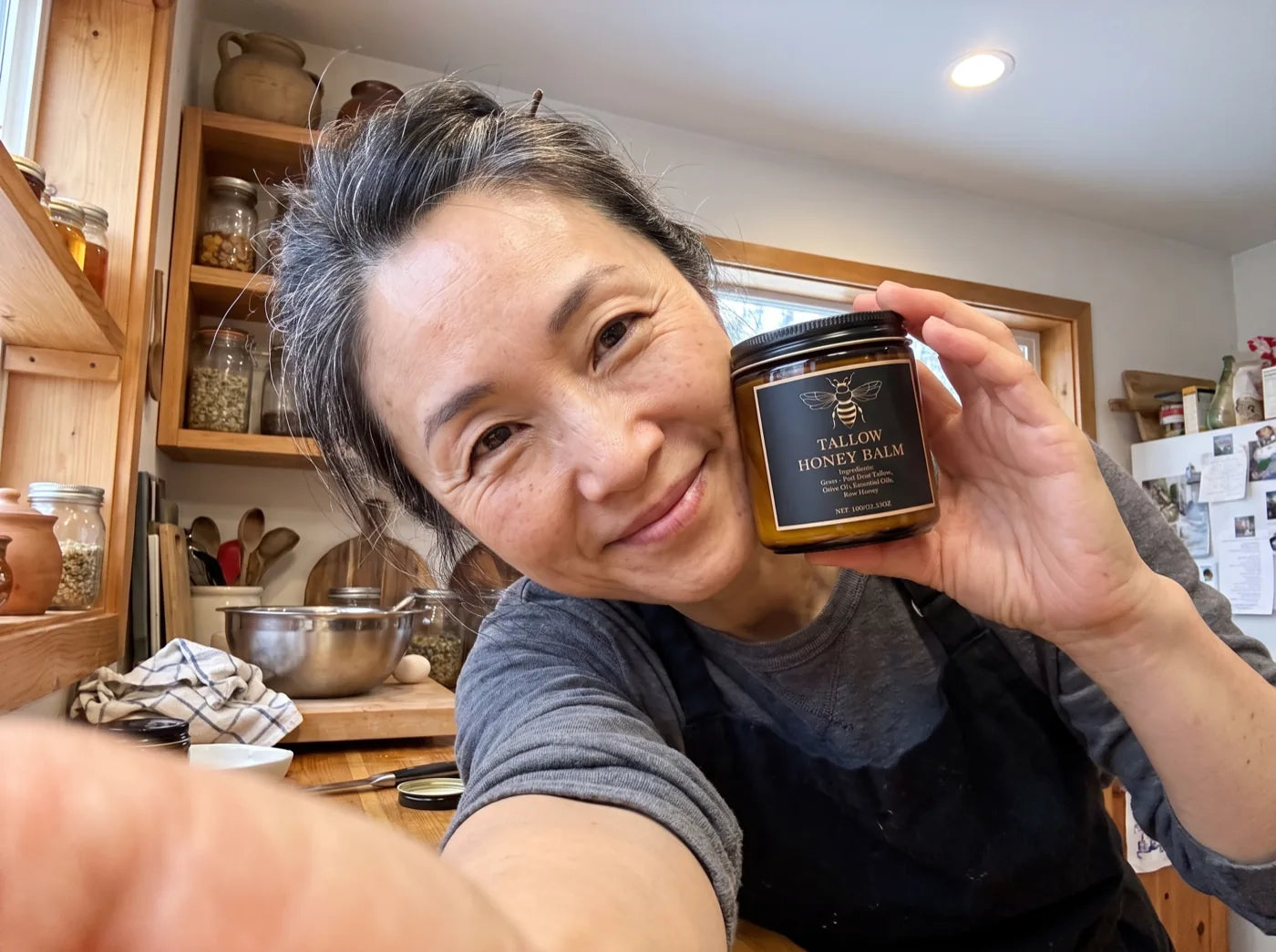
"I would rather lose the sale than have her write to me in six weeks about clogged pores." – Niwa, who makes it
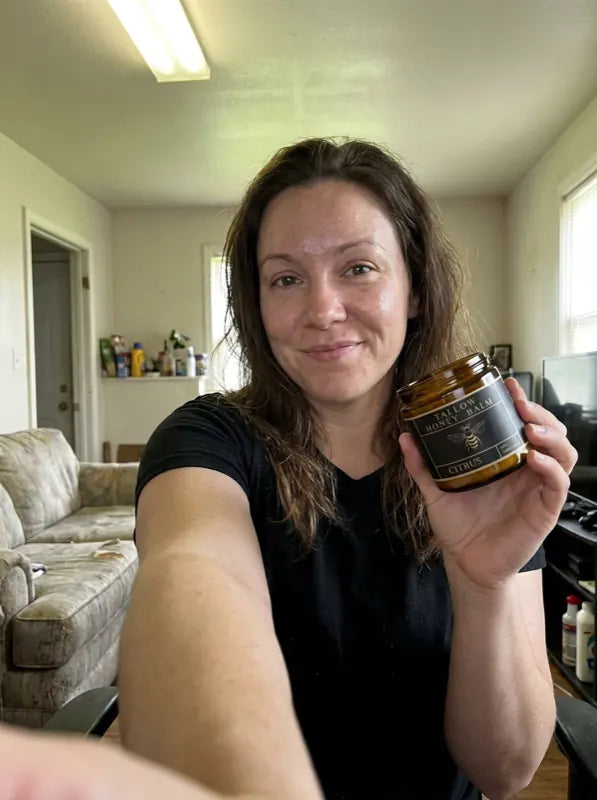
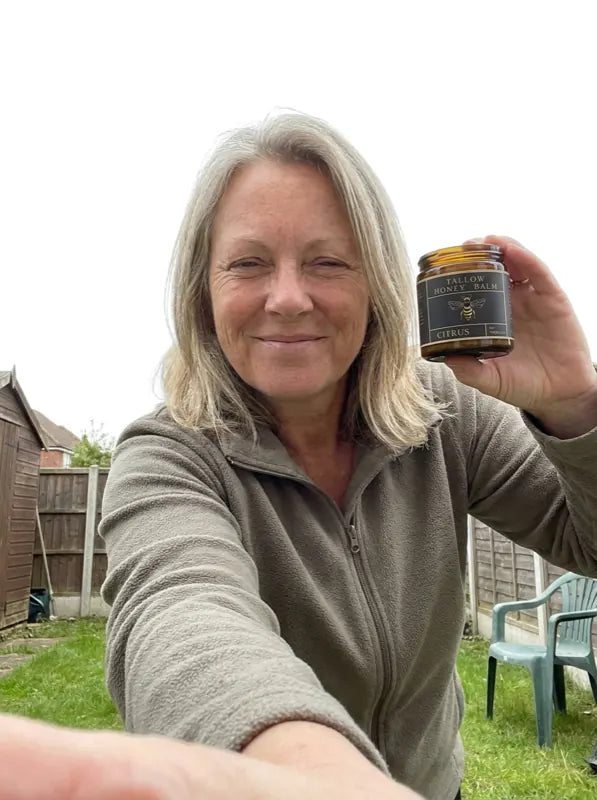
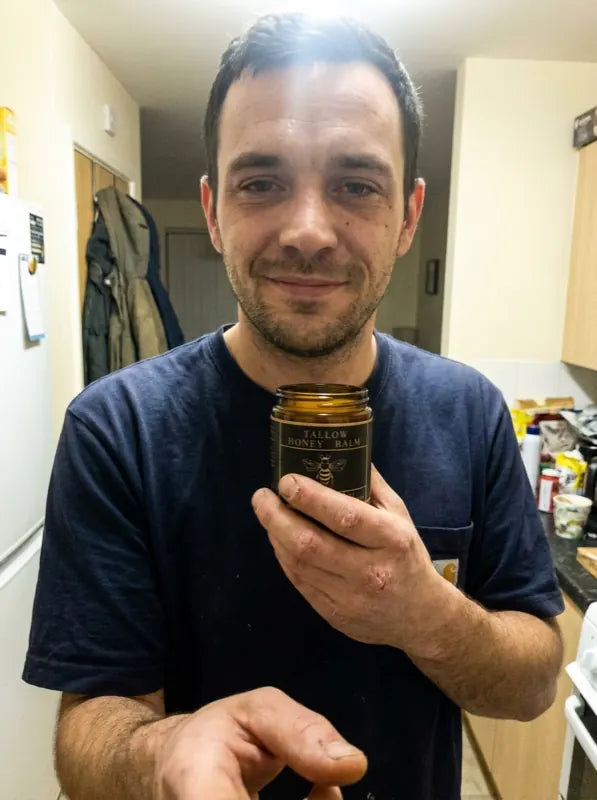
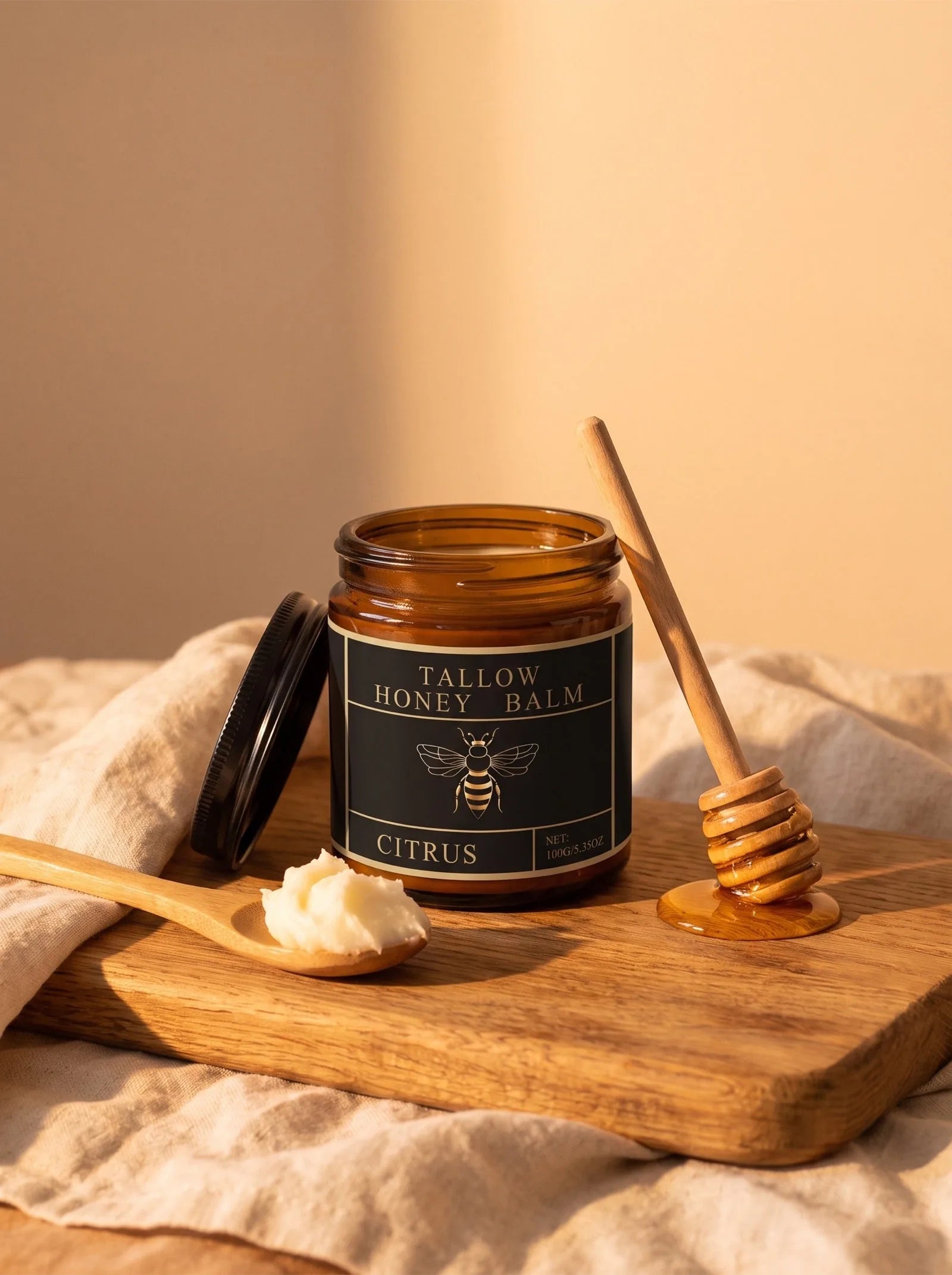
Citrus, lavender or unscented. One jar lasts about two months of daily use.
A woman messaged me on Tuesday asking which jar to order. I told her not to order one.
She had described her skin to me first, which most people don't. Oily through the middle of her face by lunchtime. Breakouts along the jaw, the kind that come back in the same three spots. She wanted to know whether to start with the citrus or the unscented.
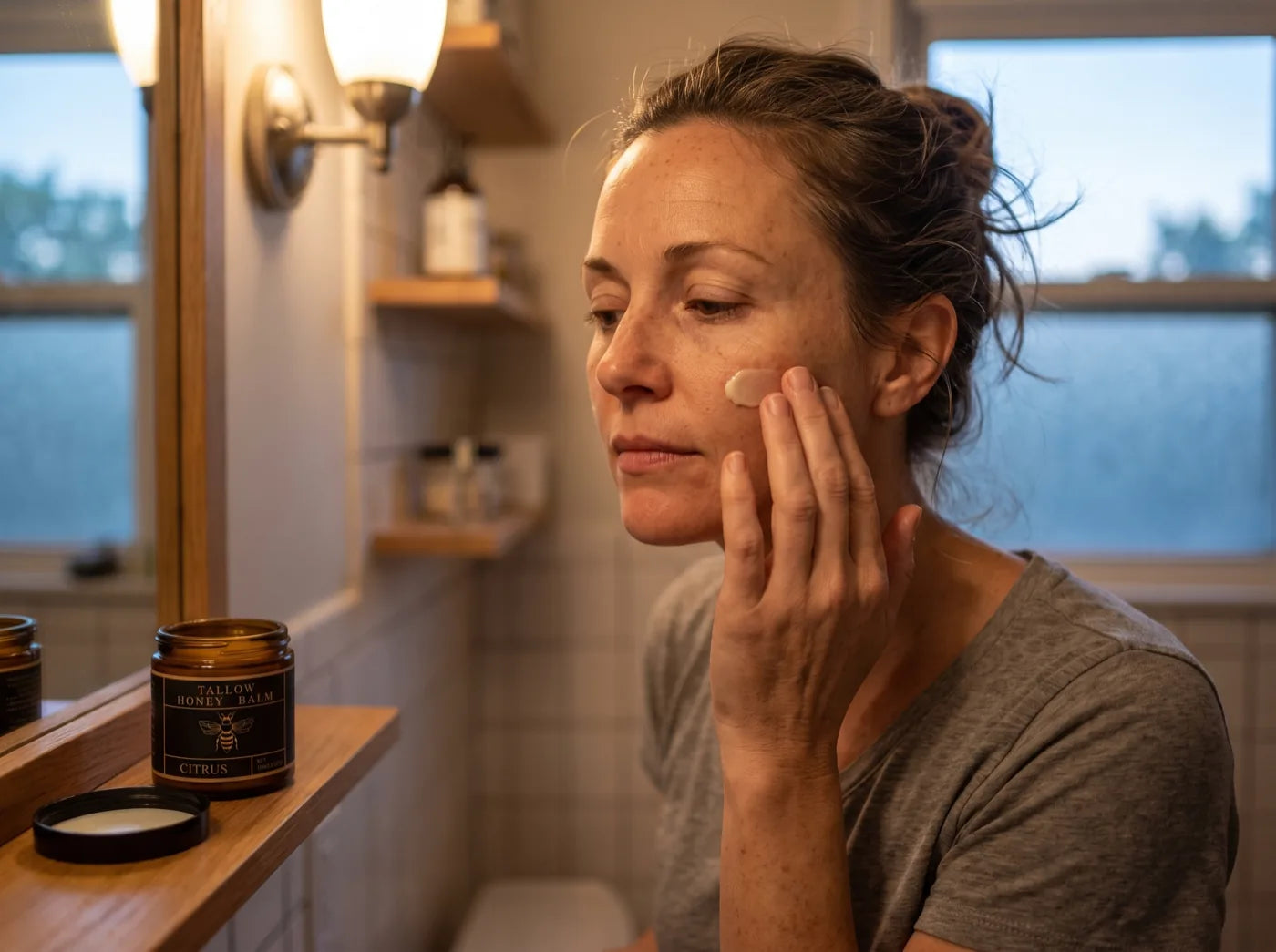
The honest answer was neither. What I make is a heavy, sealing balm. On skin that already produces plenty of its own oil, it is the wrong tool, and I would rather lose the sale than have her write to me in six weeks about clogged pores.
She thanked me and asked why nobody else had said that. I have been thinking about her question ever since.
Every February, my hands used to split
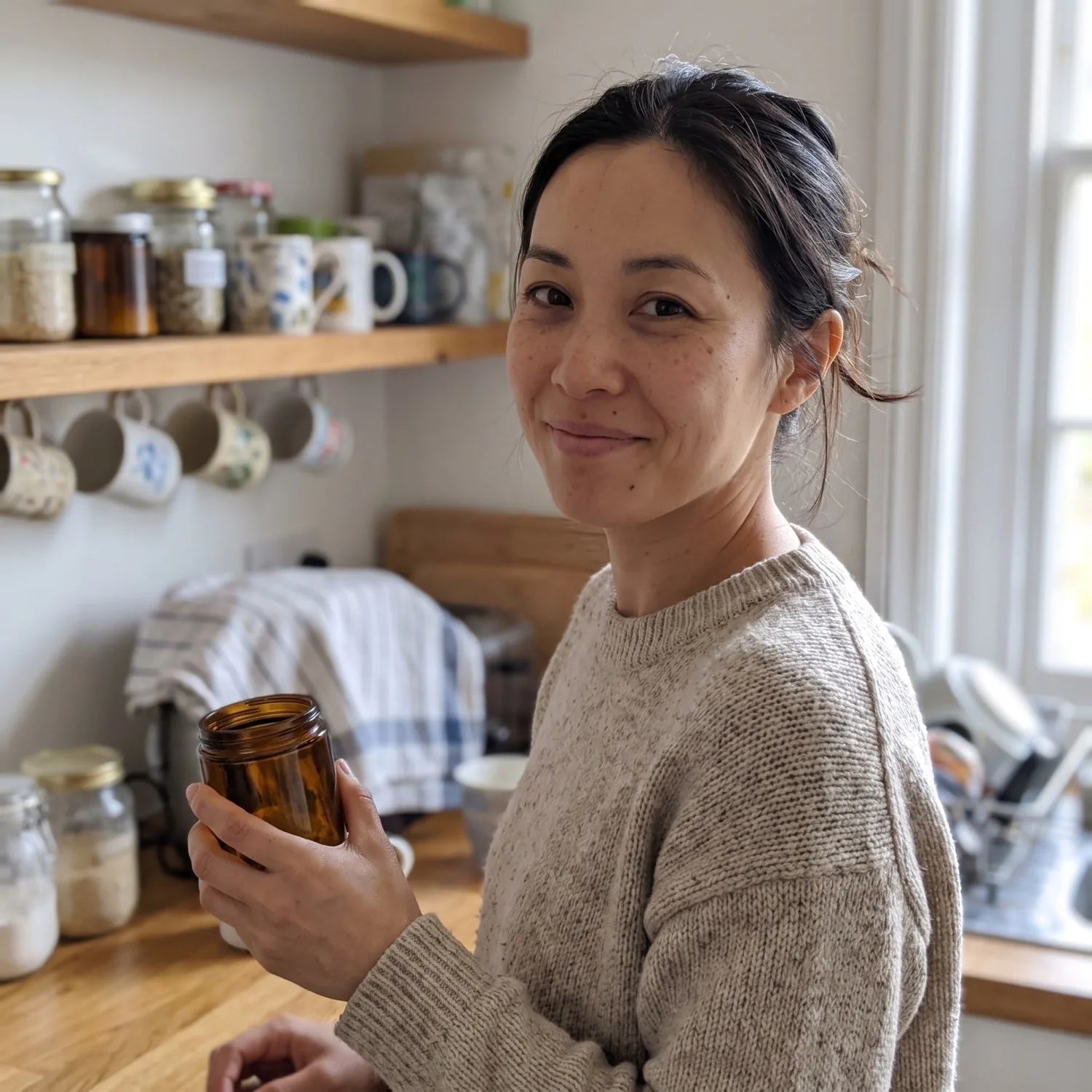
I started making this in my own kitchen, which is not a charming detail. It is just what happened.
Not dry. Split. The kind where you notice it when you close your fist, and then you keep noticing it for four months. I worked jobs where my hands were in water, and I did what everybody does. I bought the thick creams. I bought the one in the tub with the blue lid. I bought the one the pharmacist recommended, then the one my sister swore by, then the expensive one, because at some point you start to believe the problem is that you have been cheap.
They all did the same thing. My hands felt wonderful for about an hour. Then they were tight again. By evening it was as if I had put nothing on at all.
It is not that the cream did nothing. It is that it worked just long enough to make you feel like you were doing it wrong.
The first batch I made was terrible
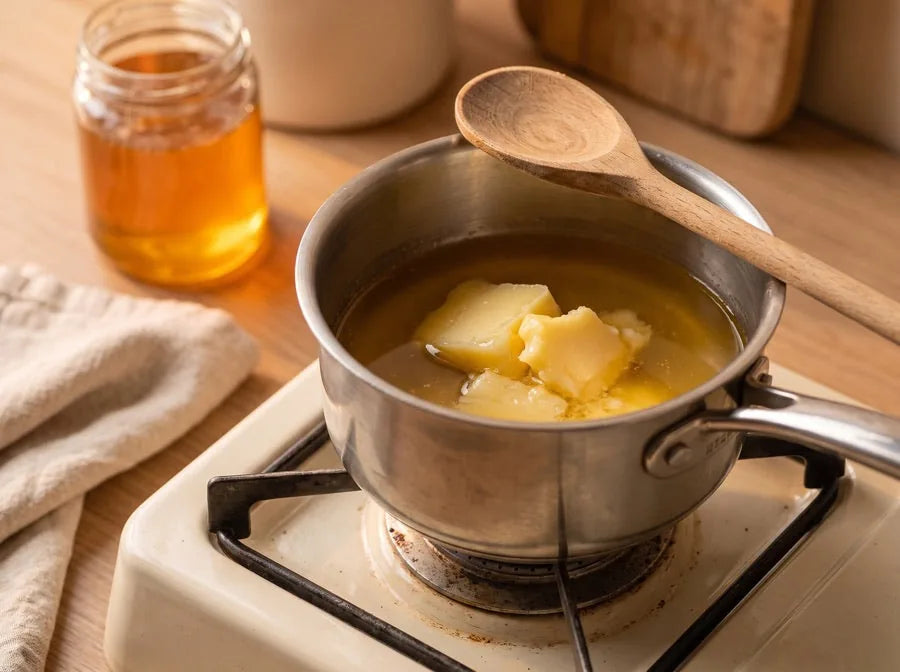
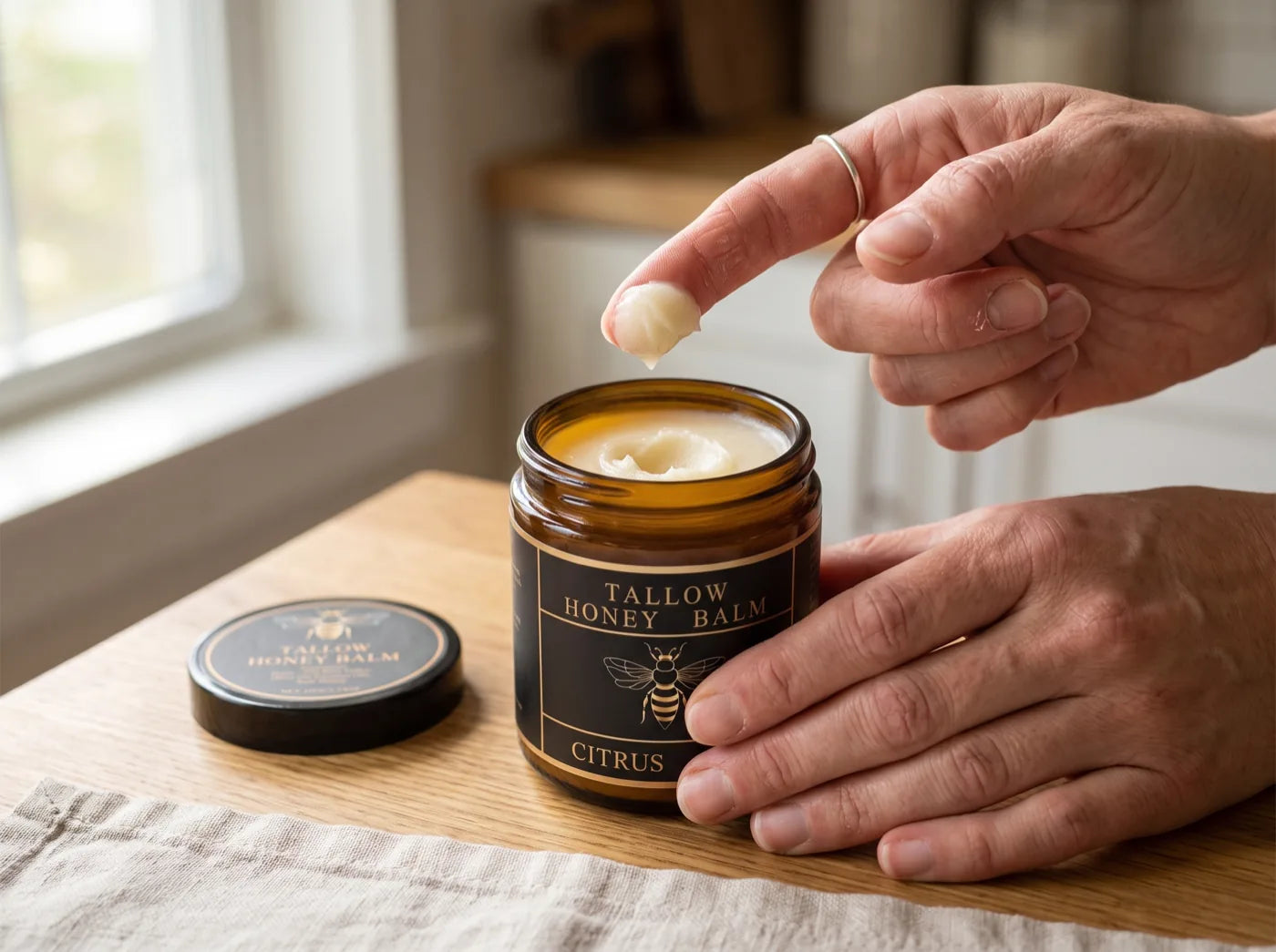
My grandmother kept a jar of whipped tallow and honey by the kitchen door. I knew that. I had known it my whole life. It took me until I was forty-four to actually try it, because rubbing beef fat on your hands sounds, and I am going to say it plainly, a little unhinged.
The first winter I made it badly. It smelled. If you render tallow fast and hot to save time, it holds the smell, and there is no essential oil in the world that hides it. My daughter told me it smelled like a Sunday roast and she was right. I threw the batch out.
The second winter I rendered it slowly, at a low temperature, over hours instead of minutes. That batch came out almost odourless, which is how I learned that the smell people complain about is not a property of tallow. It is a property of rushing.
That was the batch I used on my hands in February. By the fourth night I stopped reapplying before bed because I no longer needed to. That was the whole event. No glow, no transformation, nothing I could have photographed. My hands simply stopped hurting when I closed them.
Made the slow way, in small batches
Each batch is rendered low and poured by hand. Five ingredients, unscented option, free shipping.
See the balm90 days to send it back. You keep the jar.
It took me two more years to understand why it worked
I only care about explaining this because it is the part that finally made sense of all those failed tubs.
Almost every lotion is mostly water. To hold water and oil together in one bottle you need emulsifiers, and emulsifiers belong to the same family of molecules as the surfactants in soap. They are very good at moving fat around. Unfortunately your skin barrier is partly built out of fat, and the reason yours is dry in the first place is that some of that fat is missing.
So the water goes on, and it evaporates, and it takes a little of your own moisture with it as it goes. And the thing that was supposed to help thins out the layer whose absence caused the problem.
That is why it lasts an hour. That is why you reapply. It is not a discipline problem.
Why there is honey in it
No water. So nothing evaporates.
That is the entire difference between this and the tube in your drawer. Five ingredients, one job each.
See what's in it · $29.90Free shipping · one jar lasts about two months
Half the tallow balms sold have honey in them. None of them tell you why it is there.
Beef tallow is roughly forty percent oleic acid, twenty-eight percent palmitic, twenty percent stearic. The oil your own skin makes is dominated by the same three. Your skin is not encountering something foreign. It is encountering something structurally familiar, which is why it sinks in instead of sitting on top the way petroleum jelly does.
The honey is not there for the label. Honey is a humectant, which means it attracts water and holds on to it. Tallow on its own only seals. It has nothing to seal in. Honey brings the water, the tallow closes the door behind it. One pulls in, one keeps in. That is the entire idea, and it is the reason the recipe has two ingredients doing two different jobs rather than one ingredient doing everything.
What is actually in the jar
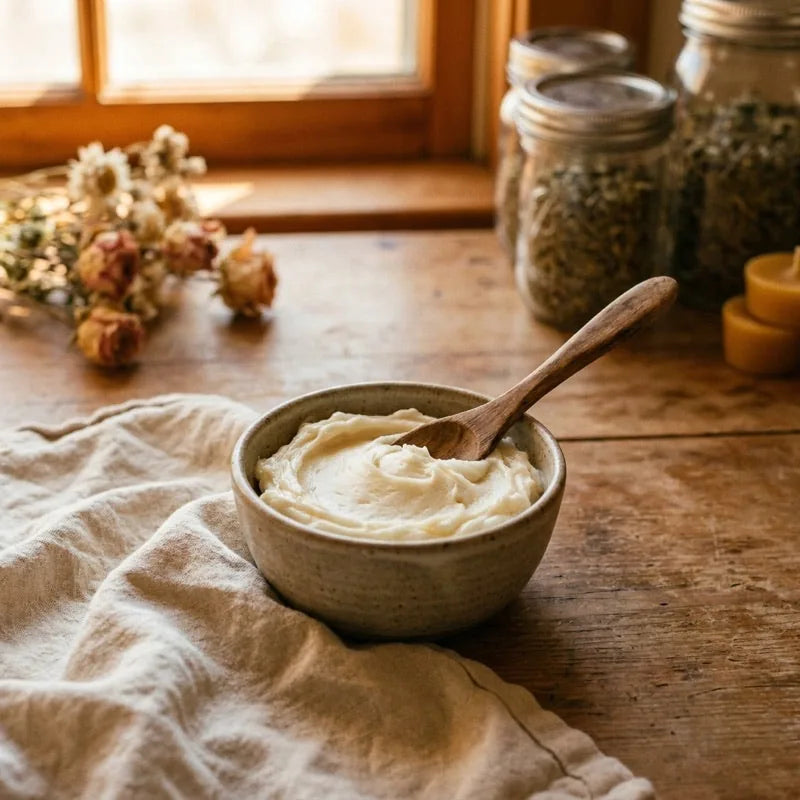
Grass-fed beef tallow
The sealing half. Rendered slowly so it stays close to odourless. Its three dominant fatty acids are the same three that dominate human sebum, which is why the skin takes it rather than wearing it.
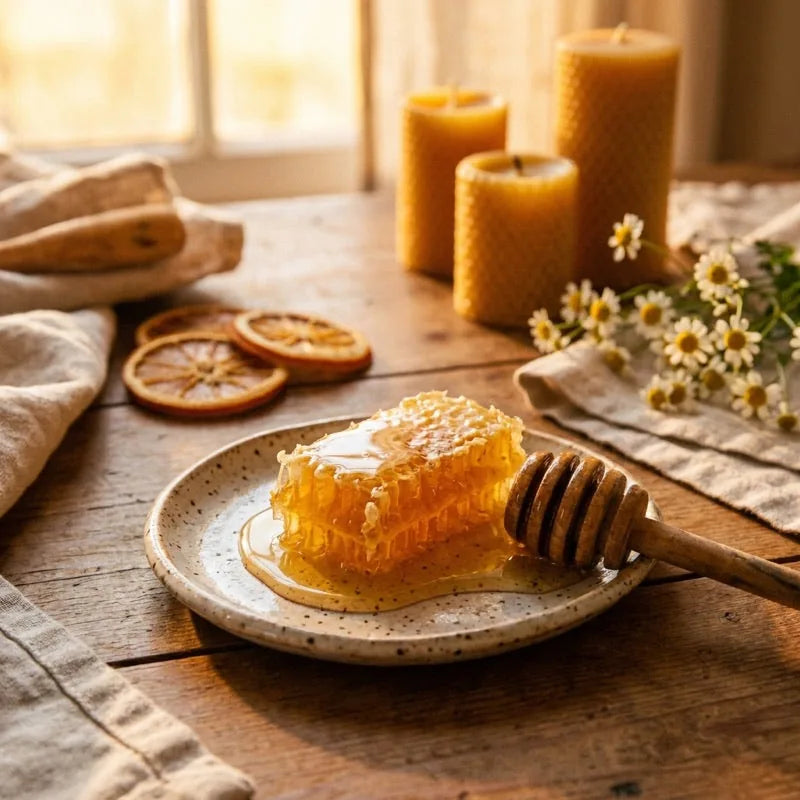
Raw honey
The humectant. Draws water and holds it in place so the tallow has something to seal in.
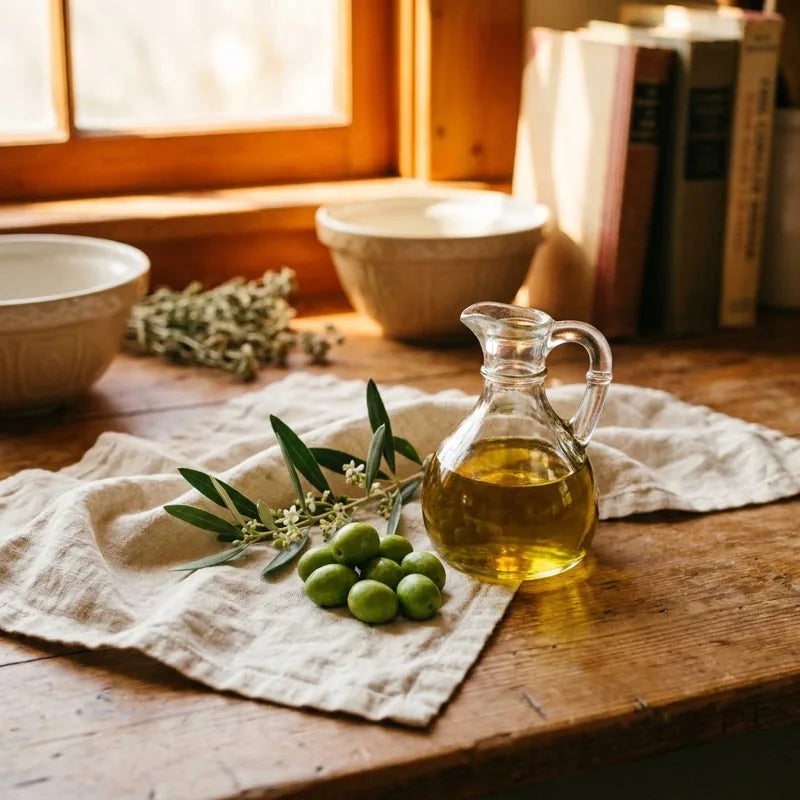
Olive oil
Softens the whip so a pea-sized amount spreads over a whole hand instead of sitting in a lump.
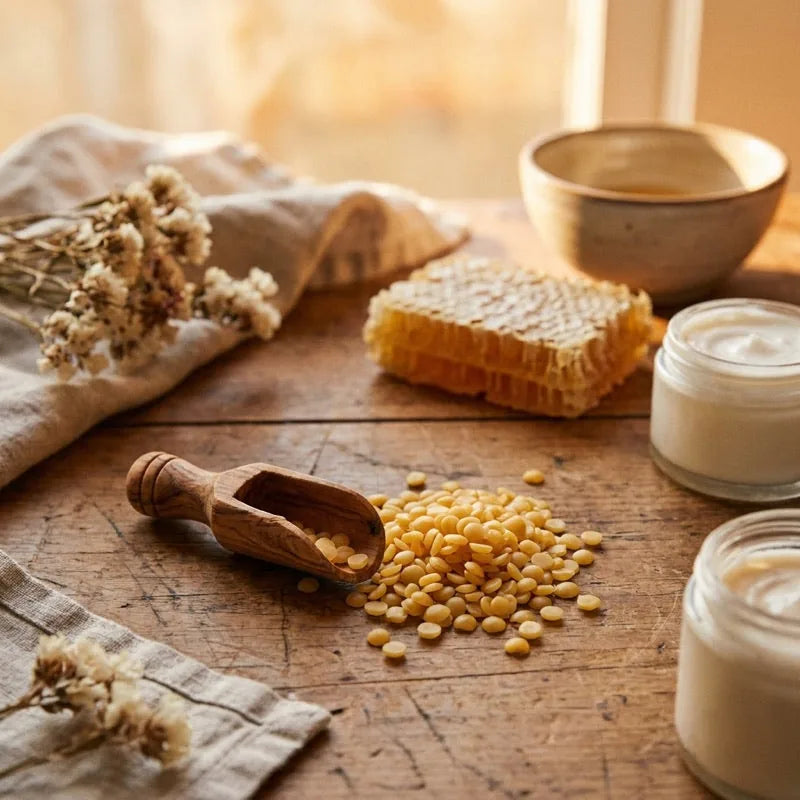
Beeswax
Holds the texture together so the balm stays solid in the jar and melts on skin contact.
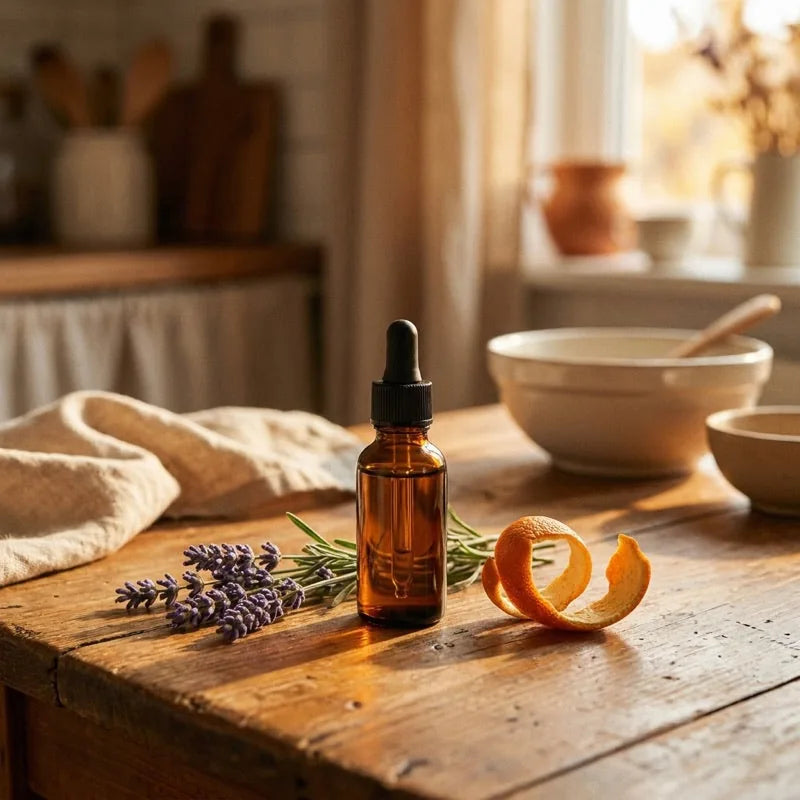
Essential oil, or none at all
Citrus or lavender, in a very small amount. The unscented version leaves it out entirely, and that is the one I send to people who react to everything.
If that sounds like your skin
Dry, tight, cracked, reactive. The kind that stings when you use the products sold to people with sensitive skin.
Get the balm · $29.9090 days to send it back. You keep the jar.
Not sure it suits your skin? Take the 60-second quiz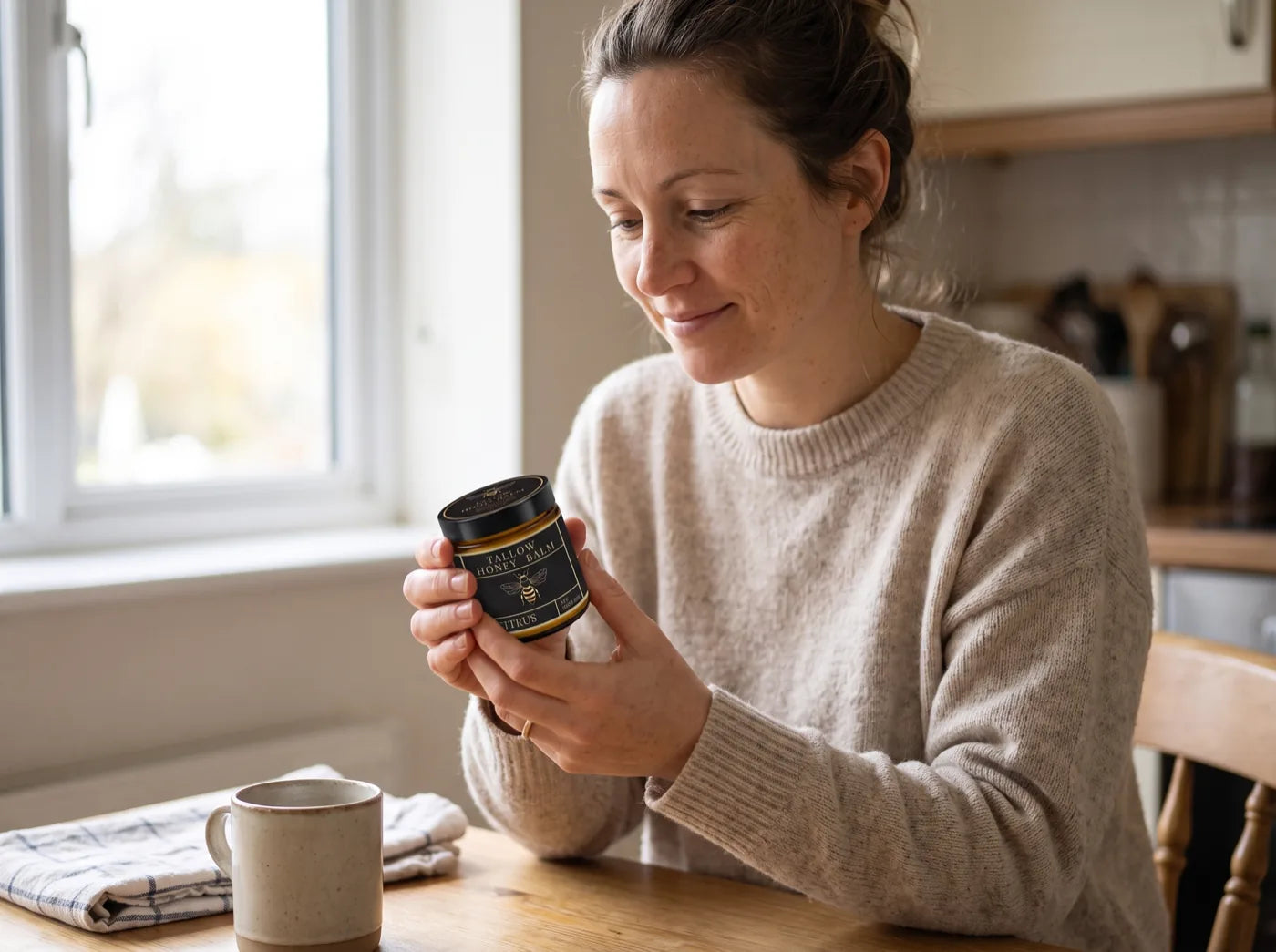
The things I am not going to pretend about
There are no serious clinical trials on tallow for human skin. I cannot show you a study, because there isn't one worth showing. What I can show you is the chemistry above and a very long history of people using it before the lotion aisle existed. If you need a trial, you should wait for one, and I mean that.
Tallow is similar to your skin's own oil, not identical. Human sebum contains sapienic acid, which tallow does not have. Anyone telling you it is bioidentical is overselling.
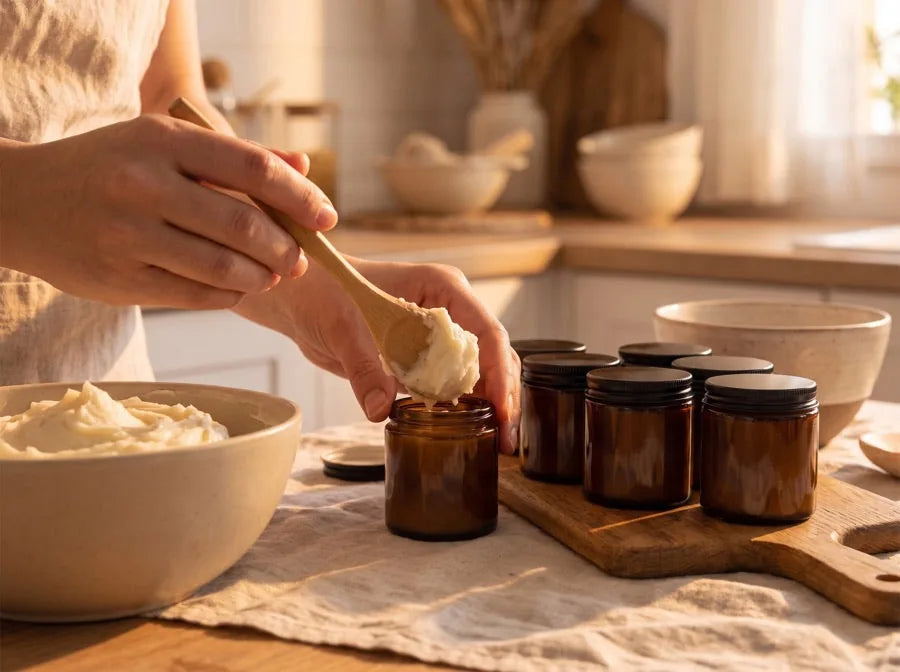
And I make it in batches, by hand, in a kitchen. When a batch is gone it is gone until the next one is poured and cured, which takes a few days. That is not a marketing tactic, it is just how many jars two hands can fill.
I am not going to tell you this will change your life. I am telling you that if you have been reapplying something every morning for years and are still tight by noon, the reason might not be you.
— Niwa
It is as simple as 1, 2, 3
- Order todayPick your scent, or the unscented one if you react to things. Free shipping on every order.
- It arrives in 3 to 5 daysA pea-sized amount on damp skin, once a day. That is the whole routine.
- Judge it after four nightsIf your skin is not calmer in 90 days, we refund you and you keep the jar.
Made in small batches
Tallow Honey Balm
For dry, cracked, reactive skin. Not for oily or acne-prone skin, and I will keep saying that.
- Five ingredients you can pronounce
- Unscented, citrus or lavender
- One jar lasts about two months
- Free shipping on every order
- 90 days to send it back, keep the jar
Poured by hand in small batches
Get the balm · $29.90Double Pack $49.90 · when a batch runs out the next one takes a few days
Not sure it suits your skin? Take the 60-second quiz